
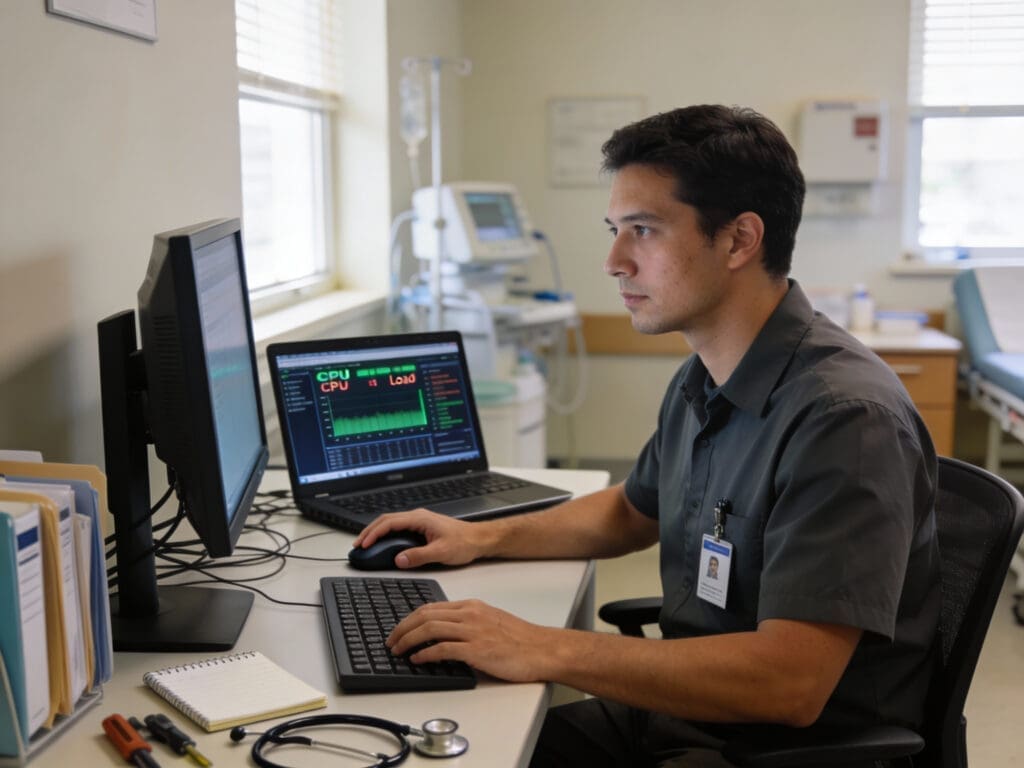
Healthcare providers are always busy, juggling patient care with a mountain of administrative tasks. Technology is supposed to help, but sometimes it just adds to the headache. That’s where managed IT services for healthcare come in. Think of it as having a dedicated IT crew that keeps all your tech running smoothly, securely, and in line with all those important rules, so you can actually focus on the people who need your help.
Key Takeaways
- Managed IT services in healthcare mean an outside company handles your IT needs, like security, maintenance, and system updates.
- These services help keep your patient data safe and make sure you’re following rules like HIPAA.
- You can save money by not having to hire a big in-house IT team.
- Having experts manage your IT means your systems are more likely to stay up and running without issues.
- Managed IT providers give you access to the latest technology and expert knowledge without the high cost of hiring specialists.
- These services help make your daily operations smoother, so your staff can spend more time with patients.
- Managed IT can grow with your practice, handling more data and users as you expand.
- By letting IT experts handle the tech side, your healthcare team can concentrate on providing the best possible patient care.
What Are Managed IT Services in Healthcare?
Think of managed IT services in healthcare as having a dedicated IT crew, but instead of hiring them full-time, you’re partnering with an outside company that specializes in keeping healthcare technology running smoothly. They handle all the day-to-day tech stuff so your practice or hospital can focus on what really matters: patient care.
These services cover a lot of ground, including:
- Keeping things secure: This means protecting patient data and making sure you’re following all the rules, like HIPAA. It’s like having a security guard for your digital information.
- Making sure systems work: From your electronic health records (EHR) to appointment scheduling software, they work to keep everything online and running without glitches.
- Handling updates and maintenance: They take care of software updates, system checks, and fixing problems before they even become big issues.
- Planning for the unexpected: This includes things like making sure you can get your data back if something goes wrong, like a power outage or cyberattack.
Basically, it’s about outsourcing the complex and time-consuming IT tasks to experts who know the healthcare world. This frees up your staff and resources, letting everyone concentrate on providing the best possible care to patients.
Core Benefits of Managed IT for Healthcare Organizations
Running a healthcare facility means juggling a lot of moving parts, and your IT systems are a big one. When things go wrong with technology, it doesn’t just cause headaches; it can actually get in the way of patient care. That’s where managed IT services really shine for healthcare providers. They take a lot of that IT burden off your plate.
Enhanced Data Security and HIPAA Compliance
Keeping patient information safe and sound is non-negotiable. HIPAA rules are strict, and a data breach can lead to massive fines and a serious blow to your reputation. Managed IT providers who specialize in healthcare know these rules inside and out. They put strong security measures in place to guard against cyber threats, manage access to sensitive data, and regularly check for vulnerabilities. This proactive approach helps you stay compliant and protects your patients’ privacy. It’s about making sure your systems are secure 24/7, not just during business hours.
Reduced IT Costs and Predictable Budgeting
Let’s be honest, IT can get expensive. Hiring and training a full in-house IT team, plus buying all the necessary hardware and software, adds up fast. Managed IT services often work on a fixed monthly fee. This makes your IT spending predictable, which is a huge help for budgeting. You get access to skilled IT professionals and up-to-date technology without the massive upfront investment or the ongoing costs of a large internal team. It’s a smart way to manage resources, allowing you to allocate funds to patient care instead of unexpected tech bills. Many practices find this approach more cost-effective than trying to manage everything themselves, especially when dealing with complex systems like Electronic Health Records (EHRs) managed IT services for healthcare organizations.
Improved System Uptime and Reliability
When your IT systems are down, your practice grinds to a halt. Appointments get delayed, patient records are inaccessible, and staff can’t do their jobs effectively. Managed IT services focus on keeping your systems running smoothly all the time. They use proactive monitoring to catch potential issues before they cause an outage. Regular maintenance, software updates, and quick responses to any problems mean less downtime. This reliability is key to maintaining efficient workflows and ensuring that doctors and nurses have the tools they need, when they need them, to provide the best possible care.
How Managed IT Services Improve Patient Care
When your IT systems are running smoothly, it makes a big difference for everyone. Think about it: doctors and nurses can actually focus on treating patients instead of wrestling with slow computers or network problems. That means less time spent waiting for records to load and more time for actual care.
Managed IT helps in a few key ways:
- Faster Access to Information: Your Electronic Health Records (EHRs) and other patient data will be quick to access. No more frustrating delays when a doctor needs to see a patient’s history or test results. This speed helps with quicker diagnoses and treatment plans.
- Reliable Telehealth: With more virtual appointments happening, a stable IT setup is a must. Managed IT services keep your telehealth platforms running without a hitch, so patients can connect with their doctors easily and securely, no matter where they are.
- Better Use of Medical Devices: Modern medical equipment, from diagnostic machines to remote monitoring tools, relies heavily on IT. Managed IT ensures these devices are connected properly, updated, and secure, leading to more accurate readings and better patient monitoring.
- Reduced Downtime: When IT systems go down, it can halt operations. Managed IT works to prevent these outages by monitoring systems constantly and fixing issues before they become big problems. This keeps appointments on track and ensures care isn’t interrupted.
Managed IT vs In-House IT for Healthcare Facilities
Deciding between keeping your IT in-house or bringing in a managed service provider is a big choice for any healthcare facility. It’s not just about fixing computers; it’s about keeping patient data safe, making sure your systems work when you need them, and staying on the right side of all those healthcare rules.
Think about your in-house IT team. They’re right there, part of your staff. You can probably ask them to look at something right away. But, running a full IT department takes a lot of people, and those people need to be good at a lot of different things – networks, security, software, hardware, you name it. It can get really expensive to hire and keep that level of talent, especially when you might not need them for every single task every day. Plus, if your internal team is always busy putting out fires, who’s left to plan for the future or look into new tech that could actually help your practice?
Managed IT services, on the other hand, bring in a whole team of specialists. You get access to people who know a lot about healthcare IT specifically. They’re usually watching your systems 24/7, so they can often spot problems before they even happen. This means less downtime, which is huge when you’re trying to see patients. You also get a predictable monthly cost, which makes budgeting a lot easier than dealing with surprise repair bills. It’s like having a dedicated IT department, but you only pay for what you use, and you get the benefit of their broad knowledge without the overhead of hiring everyone yourself.
Here’s a quick look at the differences:
- In-House IT:
- Immediate, on-site access to your own staff.
- Can be costly to staff with diverse skill sets.
- Internal team might get bogged down with daily tasks.
- Hiring and retention can be a challenge.
- Managed IT Services:
- Access to a broad range of specialized IT skills.
- Proactive monitoring and maintenance to prevent issues.
- Predictable monthly costs for better budgeting.
- Allows your staff to focus on patient care, not IT problems.
- Scales easily as your practice grows or needs change.
Managed IT Services for Small Medical Practices
Running a small medical practice means you’re juggling a lot. You’ve got patients to see, appointments to manage, and a whole clinic to keep running smoothly. The last thing you need is your IT system acting up. That’s where managed IT services come in, especially for smaller outfits.
Think about it: you probably don’t have a dedicated IT department, right? Maybe the office manager or even the doctor is trying to keep the computers running. It’s a lot to ask, and honestly, it takes time away from patient care. Managed IT services act like your own IT department, but without the overhead of hiring staff and buying all the equipment.
Here’s what they can do for a practice like yours:
- Keep Things Running Smoothly: They watch your systems all the time, so they can often fix problems before you even know they exist. This means fewer interruptions during patient visits or when you’re trying to access patient records.
- Boost Security: Keeping patient data safe is super important, and there are strict rules about it, like HIPAA. Managed IT providers know all about these rules and have the tools to protect your practice from cyber threats. They handle things like backups and making sure your software is up-to-date and secure.
- Control Costs: Instead of big, unexpected bills when something breaks, you get a predictable monthly fee. This makes budgeting much easier for a small practice. You get access to a team of experts and advanced technology for a fraction of what it would cost to build it yourself.
- Access to Experts: These services bring in people who really know their stuff. They have specialists for different areas, like networks, security, and specific healthcare software. It’s like having a whole IT team available whenever you need it, which is hard to get with just one or two in-house people.
Basically, managed IT services let you focus on what you do best – taking care of your patients – while someone else handles the tech headaches. It’s a smart way for small practices to stay competitive and secure in today’s digital world. They can help you manage your IT systems and keep everything compliant with healthcare regulations.
Managed IT for Large Healthcare Organizations
Running a big healthcare system means a lot of moving parts, and IT is definitely one of them. When you’ve got multiple locations, tons of patient data, and complex systems like EHRs, keeping everything running smoothly and securely is a huge job. It’s not just about fixing computers when they break; it’s about making sure your entire network is solid, protected, and up-to-date with all the rules.
Managed IT services can really help large organizations handle this complexity. Think of it like having a dedicated IT department, but one that’s already got all the specialized knowledge and tools you need. They can take on the day-to-day tasks so your internal IT folks can focus on bigger projects, like rolling out new technology or improving patient care systems.
Here’s what a good managed IT partner can do for a large healthcare organization:
- Keep Systems Running Smoothly: They watch over your servers, networks, and workstations 24/7. This means they can often spot and fix problems before they even affect your staff or patients, cutting down on those frustrating slowdowns or outages.
- Beef Up Security and Compliance: Healthcare data is sensitive, and regulations like HIPAA are strict. Managed IT providers know these rules inside and out. They implement strong security measures, monitor for threats, and help you stay compliant, which is a massive relief.
- Manage Complex Projects: Large organizations often have big IT projects, like system upgrades or cloud migrations. A managed service provider can bring in the extra hands and know-how to get these done efficiently, without disrupting your daily operations.
- Provide Predictable Costs: Instead of unexpected IT bills, managed services usually come with a set monthly fee. This makes budgeting much easier, especially when you’re managing a large budget with many different needs.
Choosing the Right Managed IT Services Provider
Picking the right IT partner is a big deal, especially in healthcare. It’s not like picking a new coffee brand; this affects patient care and all that sensitive data. You need someone who really gets the healthcare world, not just computers in general.
Top Features to Look for in Healthcare IT Providers
When you’re looking around, here are some things that really matter:
- Healthcare Specific Experience: Do they know HIPAA inside and out? Have they worked with other clinics or hospitals like yours? It’s not enough to just know how to fix a printer; they need to understand things like EHR systems and how clinical workflows actually happen. Ask for examples of their work with similar organizations.
- 24/7 Support and Quick Response: Things break, and in healthcare, downtime can be serious. You need a provider that’s watching your systems all the time and can jump on problems fast, day or night. Seriously, check their response times and what happens if something goes wrong outside of normal business hours.
- Proactive Approach and Scalability: A good provider won’t just wait for something to break. They’ll be monitoring things, doing updates, and planning ahead to prevent issues. Also, can they grow with you? If your practice expands or you adopt new tech, your IT support needs to keep up without a hitch. You don’t want to be stuck with a system that can’t handle your future needs.
Is Managed IT Worth It for Your Healthcare Practice?
Thinking about managed IT services for your practice? It’s a big question, and honestly, for most healthcare providers, the answer is a pretty solid ‘yes’. It’s not just about fixing computer problems; it’s about making sure your whole operation runs smoother, keeps patient data safe, and helps you meet all those tricky regulations.
Here’s a quick rundown of why it makes sense:
- Less Stress, More Focus: Imagine not having to worry about IT glitches disrupting your day. Managed IT handles the day-to-day tech stuff, so you and your staff can concentrate on what you do best – caring for patients. This means fewer interruptions in clinical workflows and a better experience for everyone.
- Keeping Data Safe and Sound: Patient data is incredibly sensitive. Managed IT providers are experts in cybersecurity and HIPAA compliance. They work to protect your systems from threats and make sure you’re following all the rules, which is a huge relief.
- Predictable Costs: Instead of unexpected IT bills popping up, managed IT services usually come with a set monthly fee. This makes budgeting way easier and can actually lead to significant cost reductions compared to building and maintaining a large in-house IT team. Businesses can see savings of 25-45% on IT expenses cost reductions.
- Always Up and Running: Downtime in a medical setting is a serious issue. Managed IT focuses on keeping your systems reliable and available 24/7 through proactive monitoring and maintenance. This means your Electronic Health Records (EHR) system, communication tools, and other critical software are less likely to fail when you need them most.
Ultimately, if you’re looking to improve efficiency, strengthen security, and gain peace of mind about your technology, managed IT is a smart investment for your practice.